At the Dr. M. L. Dhawale Memorial Trust, we don’t just teach Homoeopathy; we evolve the physician. Our educational philosophy is rooted in the Tri-coordinate Approach: a unique synergy where the teacher acts as a facilitator, ensuring equal care for the Patient, the Learner, and the Knowledge.
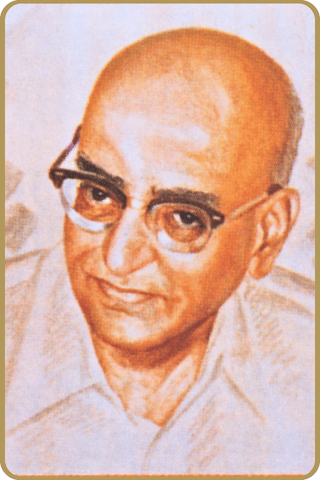
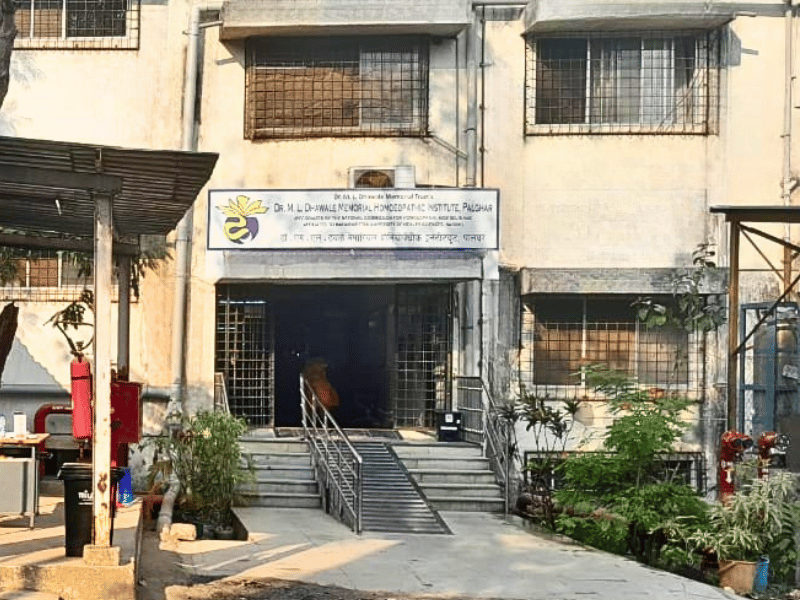
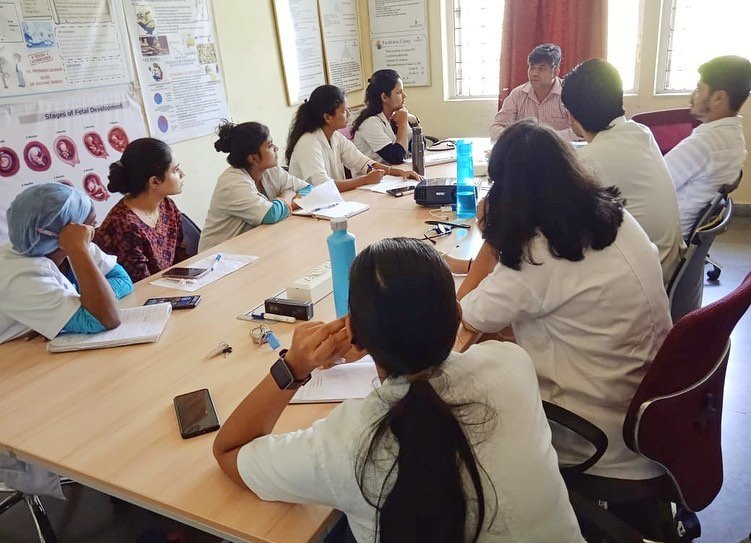
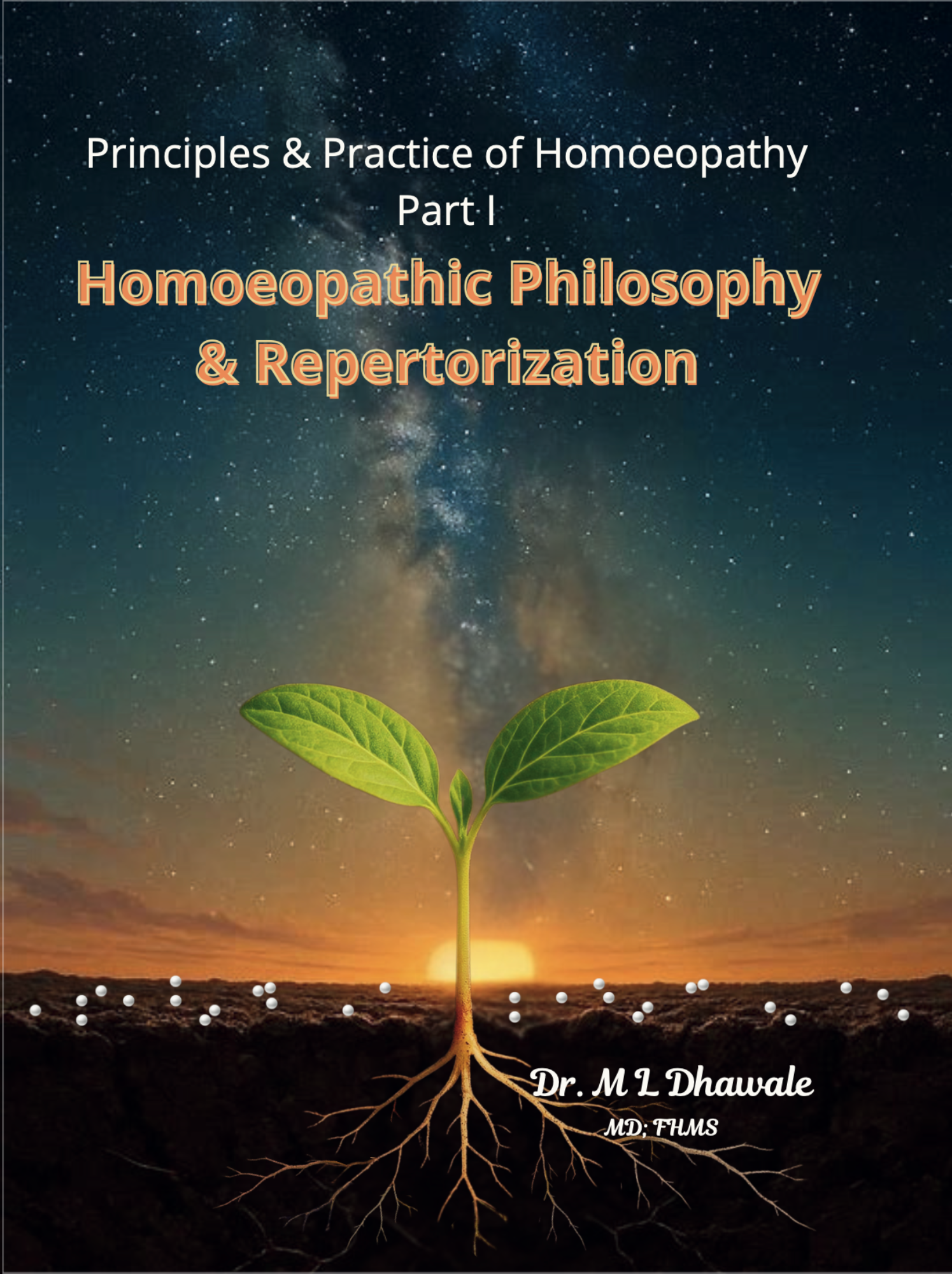
Dr M. L. Dhawale, a pioneering homoeopath, teacher, and researcher who transformed homoeopathic education and practice in India. He revived the HPGA Lecture Series (1957). He authored Principles & Practice of Homoeopathy (Vol. I, 1967) and published a trilogy on teaching, materia medica, and therapeutics (1968). Dr. Dhawale strongly believed: “Patient is the best teacher”, Learning must be experiential and action-based, and students should become: Unbiased observers, skilled clinicians and independent thinkers. He innovated teaching methods by introducing Action-learning and case-based discussions, Peer learning and participatory education with emphasis on responsibility and clinical sensitivity.
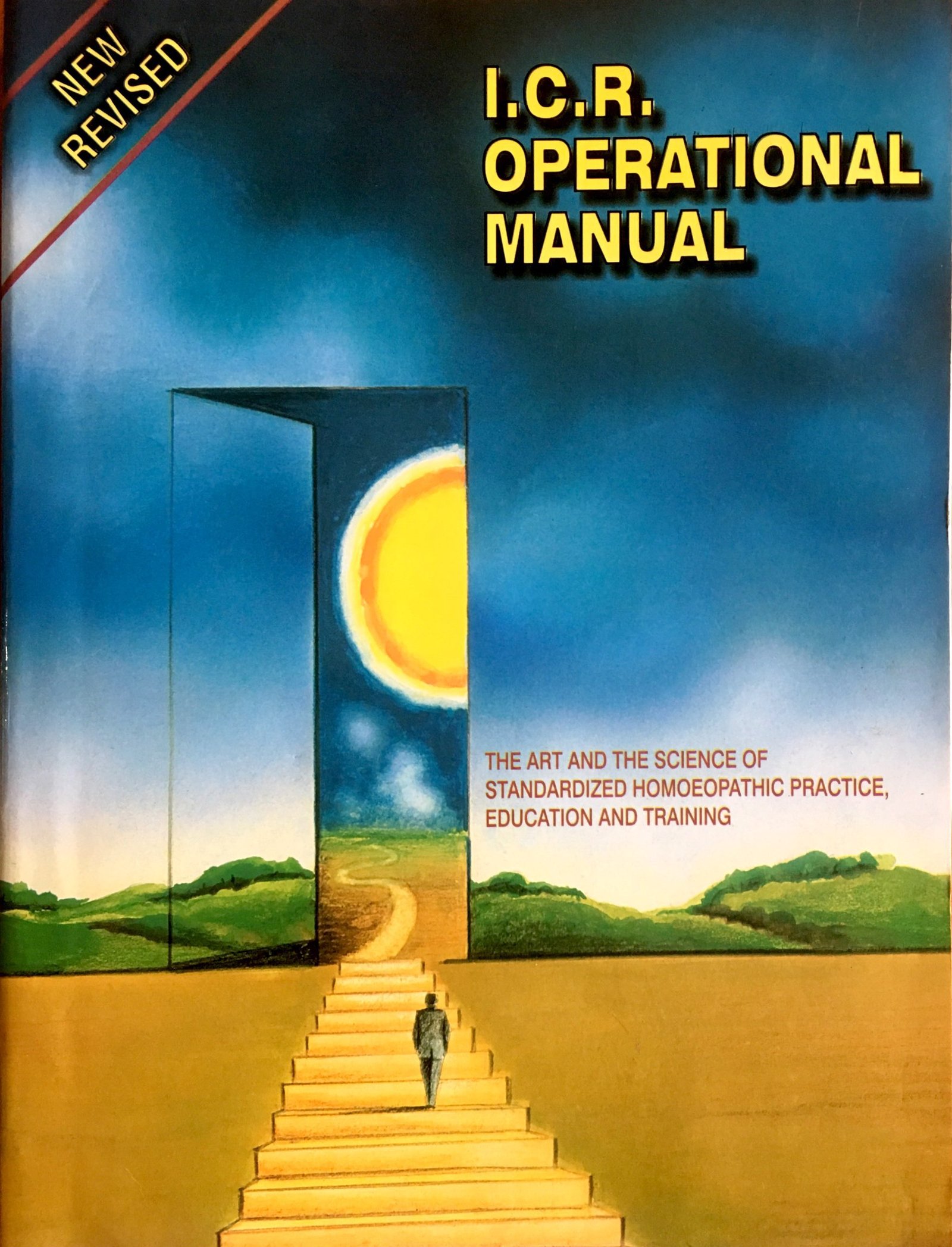
He established the Institute of Clinical Research (ICR) in 1975.
Since then, the MLD Group of Organisations has developed a comprehensive and dynamic educational framework aimed at nurturing competent, confident, and scientifically oriented homoeopathic practitioners. Rooted in the visionary principles of Dr M. L. Dhawale, the approach integrates formal academic programs with rich, practice-based learning experiences.
Formal education includes postgraduate training such as the M.D. (Hom.) programme and structured certification courses, while informal learning is fostered through continuous medical education (CME), case-based group discussions, symposia, and long-standing study groups across India. The emphasis remains on experiential learning, guided by the philosophy that real clinical exposure, reflective thinking, and disciplined case analysis are essential for professional growth.
A distinctive feature of the MLD educational system is its focus on standardized clinical practice through tools like the Standardized Case Record (SCR), enabling systematic observation, analysis, and research.
His pioneering “Tri-coordinate Approach“, which balances the needs of the Learner, the Patient, and the Knowledge, remains the bedrock of our educational philosophy.
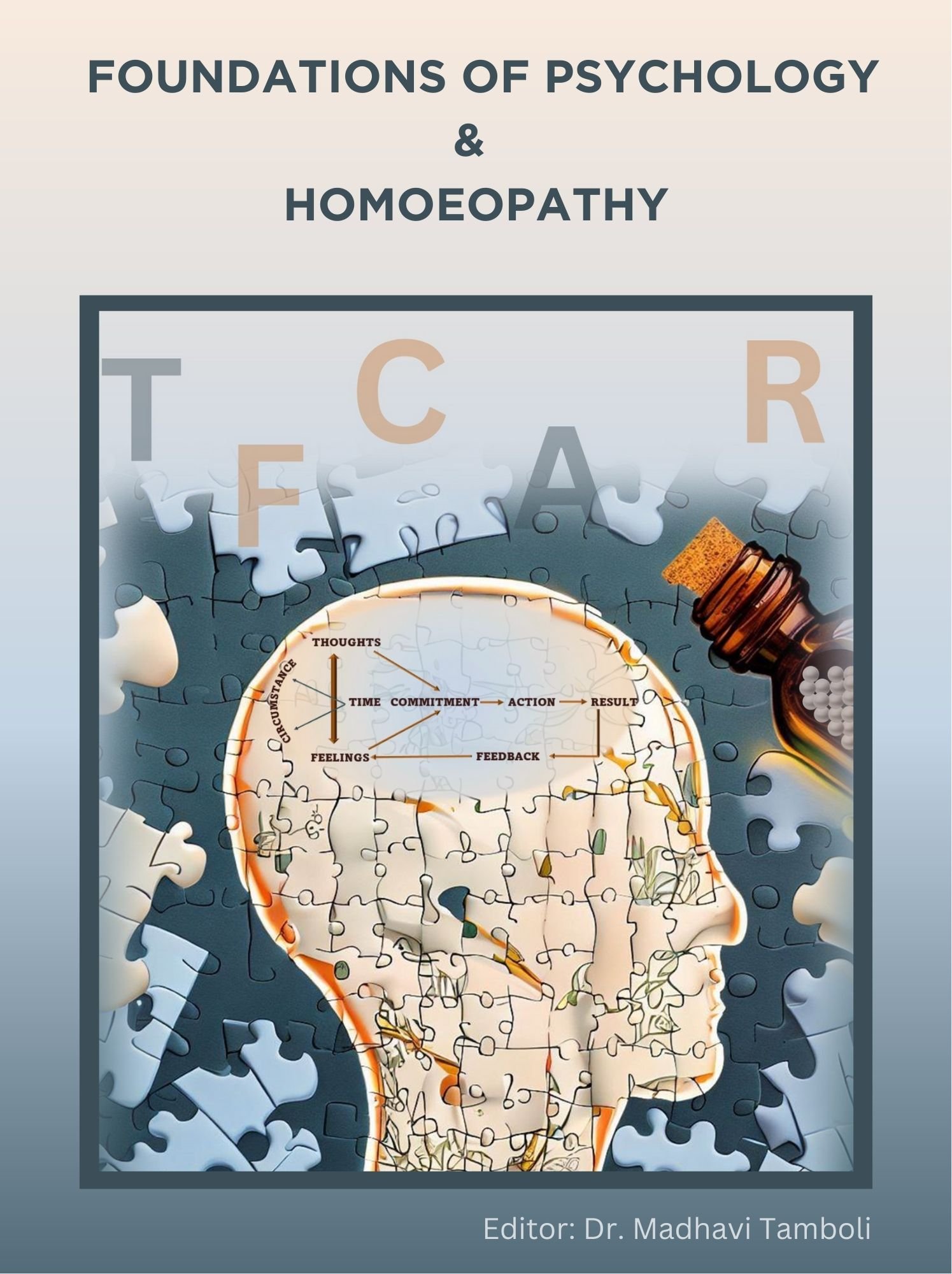
Complementing its teaching initiatives, the organisation has made significant contributions to homoeopathic literature and knowledge dissemination. Publications include foundational textbooks, teaching monographs, and the Journal of the Institute for the Study of Homoeopathy (JISH), which serves as a platform for sharing clinical insights, research findings, and evolving methodologies. Together, these educational and publication efforts create an ecosystem that supports lifelong learning, fosters inquiry, and advances the standards of homoeopathic practice.
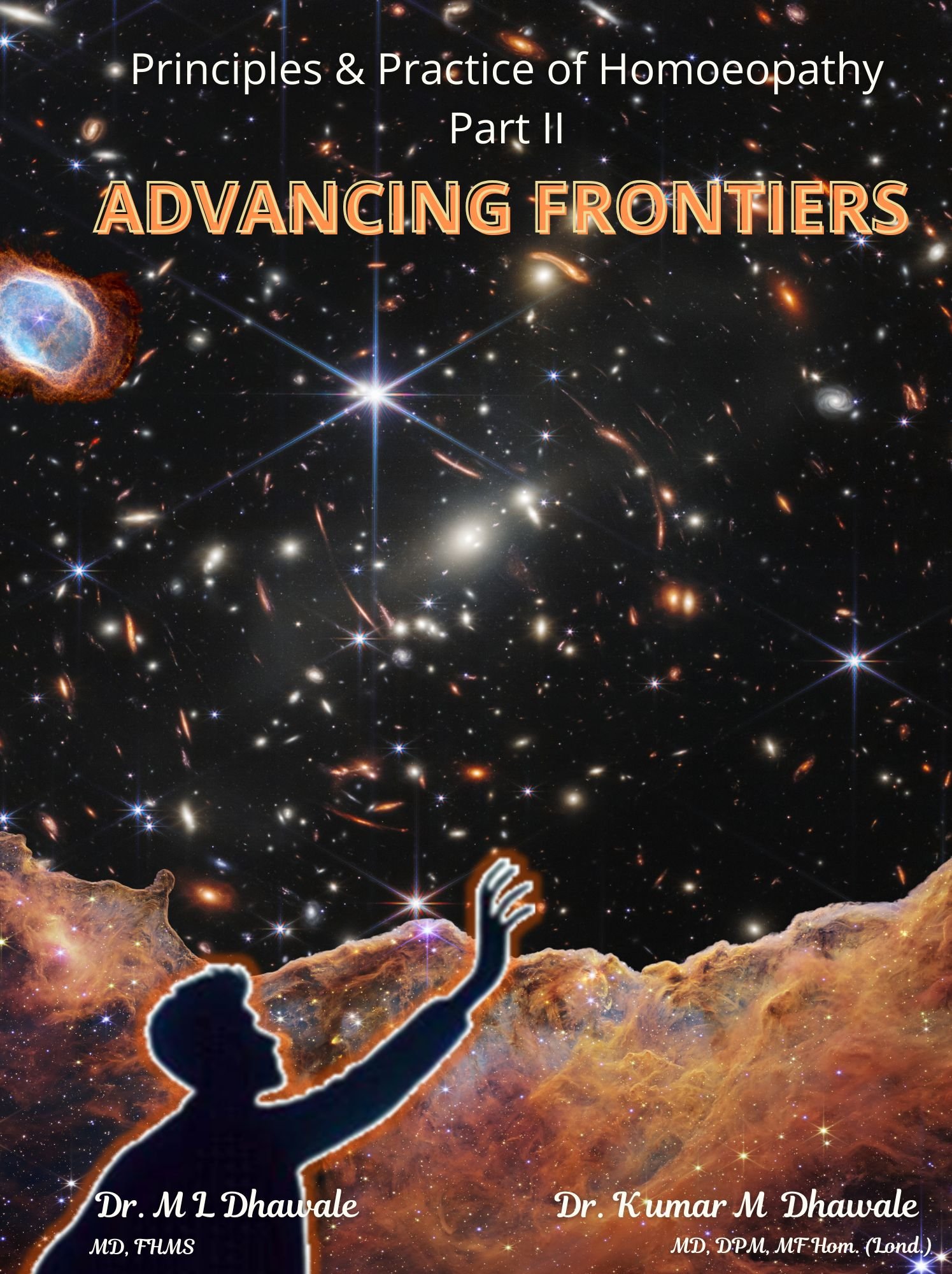
₹1,000.00 – ₹1,500.00Price range: ₹1,000.00 through ₹1,500.00